Need help with booking? Send us a message.
The Everest Base Camp Trek by Himalayan Mantras is a 15-day Himalayan adventure through iconic trails of the Khumbu region, leading to 5,364 m base camp of Mount Everest. Experience Sherpa culture, stunning peaks, acclimatization days, and guided trekking with expert support for a safe, unforgettable journey.
Kathmandu - Lukla - Phakding - Namche - Tengboche - Dingboche - Lobuche - EBC - Gorakshep - Kala Patthar - Pheriche - Namche - Lukla - Kathmandu
Hotel in Kathmandu and Tea House / Lodge during the trek
The Everest Base Camp Trek is one of the most iconic trekking adventures in the world, leading you deep into the heart of the Khumbu region of Nepal. Organized by Himalayan Mantras, this journey takes you through dramatic Himalayan landscapes, traditional Sherpa villages, ancient monasteries, and finally to the base of the world’s highest peak, Mount Everest (8,848.86 m). The trek follows a well-established route passing through key destinations such as Lukla, Namche Bazaar, Tengboche, Dingboche, Lobuche, and Gorak Shep before reaching the legendary Everest Base Camp.
This 15-day itinerary is carefully designed to ensure proper acclimatization, safety, and maximum scenic enjoyment. Himalayan Mantras focuses on guided support, cultural immersion, and responsible trekking practices, ensuring travelers experience both natural beauty and Himalayan hospitality.
The trek is not only about reaching Everest Base Camp but also about experiencing the spiritual and cultural richness of the Khumbu region. From monasteries like Tengboche Monastery to panoramic viewpoints such as Kala Patthar, every day brings a new perspective of the Himalayas.
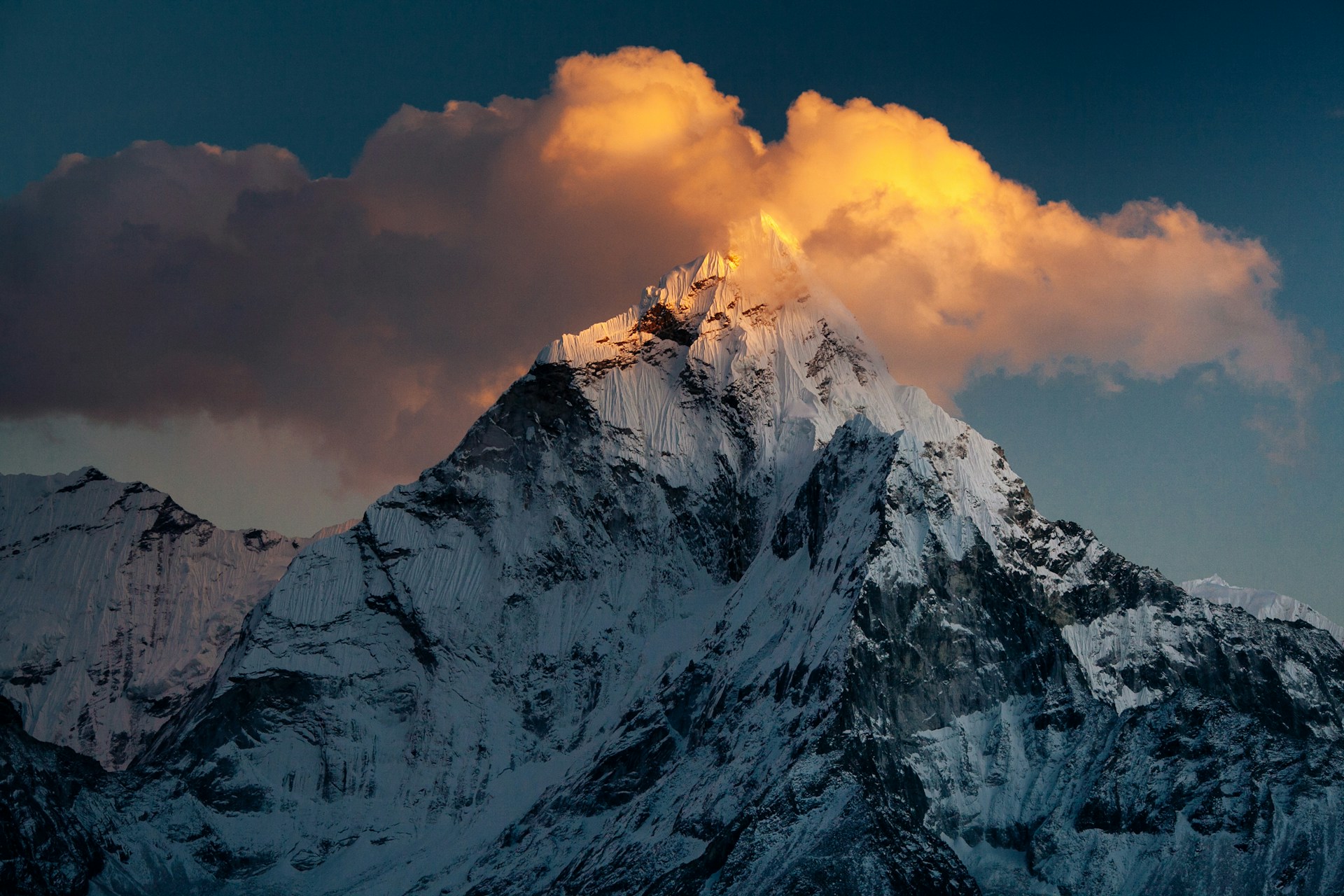
The best seasons for the Everest Base Camp Trek are spring (March–May) and autumn (September–November). During these periods, weather conditions are stable, skies are clear, and mountain visibility is at its best. Spring offers blooming rhododendrons and slightly warmer temperatures, while autumn provides crisp air and excellent visibility of peaks like Everest, Lhotse, and Ama Dablam.
Winter (December–February) is also possible but extremely cold, especially at higher elevations like Gorak Shep and Lobuche. Monsoon season (June–August) is generally avoided due to heavy rainfall, flight delays to Lukla, and slippery trails.
Himalayan Mantras carefully schedules departures in peak seasons to ensure optimal trekking conditions, safety, and maximum enjoyment of Himalayan scenery.
Season breakdown:
The Everest Base Camp Trek is considered moderate to challenging, mainly due to high altitude rather than technical climbing difficulty. The trail involves long walking days (5–7 hours on average), steep ascents, rocky paths, and thin air above 3,500 meters. However, no technical mountaineering skills are required, making it achievable for fit trekkers with proper preparation.
Transportation begins with a scenic yet adventurous flight from Kathmandu to Lukla, landing at the famous Tenzing-Hillary Airport. From there, the trek proceeds on foot through villages like Phakding and Namche Bazaar. Return transportation follows the same route, with a flight back to Kathmandu at the end of the journey.
Altitude sickness is the main challenge, especially beyond Dingboche and Lobuche. Himalayan Mantras includes acclimatization days and experienced guides to ensure safety.
Difficulty & transport highlights:
Accommodation along the Everest Base Camp route consists mainly of teahouses, which are simple mountain lodges run by local families. Rooms are basic, typically twin-sharing with shared bathrooms at lower elevations like Phakding and Namche Bazaar. As altitude increases toward Gorak Shep, facilities become more basic due to remote conditions.
Food is hearty and designed to provide energy for trekking. Common meals include dal bhat (rice and lentils), noodles, pasta, soups, potatoes, and Tibetan bread. Himalayan Mantras ensures hygienic food arrangements and recommends high-calorie diets for altitude adaptation.
At higher elevations like Lobuche, food variety reduces but remains sufficient for trekking needs. Hot drinks such as tea, coffee, and ginger lemon honey are widely available and help with hydration and warmth.
Accommodation & food highlights:
To undertake the Everest Base Camp Trek, trekkers must obtain several official permits. These are required to enter the Khumbu region and ensure environmental conservation and local regulation compliance. Himalayan Mantras handles all permit arrangements for a smooth trekking experience.
The main permits include the Khumbu Pasang Lhamu Rural Municipality Permit and the Sagarmatha National Park Entry Permit. These permits are checked at various points along the trail, especially near Monjo before entering protected areas.
All permits are typically arranged in Kathmandu before flying to Lukla. Proper documentation ensures hassle-free trekking and supports local infrastructure and conservation efforts.
Required permits:
Choosing the Everest Base Camp Trek with Himalayan Mantras ensures a professionally organized, safe, and culturally immersive Himalayan experience. The company focuses on responsible tourism, experienced guides, and personalized service, making the journey both comfortable and meaningful.
From arrival in Kathmandu to the final farewell dinner, every step is carefully planned. Himalayan Mantras provides expert trekking guides, porter support, emergency assistance, and acclimatization-focused itineraries. The journey through places like Namche Bazaar, Tengboche, and Dingboche is enriched with cultural insights and local interaction.
This trek is not just about reaching Everest Base Camp, but about experiencing the Himalayas deeply and safely.
Why choose Himalayan Mantras:
The Everest Base Camp Trek, organized by Himalayan Mantras, is a guided Himalayan journey combining adventure, culture, and high-altitude trekking. The route follows the classic Khumbu trail on foot with experienced guides and porters, covering remote mountain villages and iconic viewpoints. Proper preparation, acclimatization, and awareness of altitude conditions are essential for a safe and successful trek.
Trekking Overview:
Location Details:
High Elevations & Viewpoints:
Cultural Insights:
Optimal Seasons:
Essential Tips:
The Everest Base Camp Trek with Himalayan Mantras is a carefully designed Himalayan adventure that takes trekkers deep into the heart of the Khumbu region, offering breathtaking views of Mount Everest and surrounding peaks. The journey begins with arrival in Kathmandu, followed by a scenic flight to Lukla. It gradually ascends through iconic Sherpa villages such as Phakding, Namche Bazaar, Tengboche, Dingboche, and Lobuche before reaching Everest Base Camp. A key highlight of the itinerary is the acclimatization days in Namche Bazaar and Dingboche, which ensure safe altitude adaptation while allowing trekkers to explore local culture and mountain landscapes.
This 15-day itinerary also includes the unforgettable sunrise hike to Kala Patthar, offering the closest panoramic view of Everest, followed by a rewarding descent back through the Khumbu Valley. Himalayan Mantras ensures a well-paced, safe, and enriching experience with professional guides, comfortable teahouse accommodations, and full logistical support. The trek blends natural beauty, cultural immersion, and personal achievement, making it one of the most iconic trekking experiences in the world for adventure enthusiasts.
Upon your arrival at Tribhuvan International Airport in Kathmandu, you will be warmly welcomed by a representative from Himalayan Mantras and transferred to your hotel in the city. This first day is dedicated to rest after your international journey and adjusting to the vibrant atmosphere of Nepal’s capital. Depending on your arrival time, you may take a short walk around the nearby streets of Thamel, known for trekking shops, cafes, and cultural energy. In the evening, your trekking guide will provide a brief introduction to the Everest Base Camp itinerary, safety guidelines, and gear check. This is also a good opportunity to ask questions and finalize preparations for the trek ahead.
 Accommodation 3* Hotel
  Meals Welcome Dinner
  Max. altitude 1,400m / 4,593ft.
 Today is reserved for exploring the cultural highlights of Kathmandu Valley while finalizing trek preparations. You may visit UNESCO World Heritage Sites such as Swayambhunath (Monkey Temple), Pashupatinath Temple, and Boudhanath Stupa, each offering deep spiritual and historical insight into Nepalese culture. Meanwhile, your trekking team will ensure all logistics, permits, and equipment are ready for the journey. In the evening, a special welcome dinner hosted by Himalayan Mantras will be arranged, featuring traditional Nepali cuisine and cultural performances. This dinner also serves as a bonding experience with your guide and fellow trekkers before heading into the Himalayas.
Accommodation 3* Hotel Meals Breakfast Max. altitude 1,400m / 4,593ft. An early morning scenic flight takes you from Kathmandu to Lukla, one of the most thrilling mountain airports in the world. After landing at Tenzing-Hillary Airport, the trek officially begins. The trail descends gently through beautiful Sherpa villages, prayer wheels, and suspension bridges over the Dudh Koshi River. You will pass small settlements like Chheplung and Ghat before reaching Phakding. The walk is relatively easy, allowing your body to begin adjusting to altitude and trekking rhythm. Upon arrival in Phakding, you will stay in a cozy mountain teahouse, enjoying your first night in the Himalayas surrounded by peaceful river sounds.
Accommodation Tea house / Lodge Meals Breakfast, Lunch and Dinner Max. altitude 2,610m / 8,563ft. Today’s trek is more challenging as you enter Sagarmatha National Park and gradually ascend toward Namche Bazaar, the main trading hub of the Khumbu region. The trail includes several suspension bridge crossings, including the famous Hillary Bridge. The climb becomes steeper as you approach Namche, offering your first distant glimpse of Mount Everest on a clear day. This section requires steady pacing due to increasing altitude. Upon arrival, Namche Bazaar welcomes you with colorful shops, bakeries, and mountain lodges. You will stay overnight here, allowing your body to adapt to higher elevation while enjoying the lively Sherpa atmosphere.
Accommodation Tea house / Lodge Meals Breakfast, Lunch and Dinner Max. altitude 3,440m / 11,286ft. This important rest day helps your body adjust to the thinning air at higher altitude. Rather than complete rest, you will take a short acclimatization hike to viewpoints such as Everest View Hotel or Khumjung village. These hikes offer panoramic views of Everest, Ama Dablam, and surrounding peaks. You may also visit the Sherpa Culture Museum or explore local markets in Namche Bazaar. The rest of the day is spent relaxing, hydrating, and preparing for higher elevations ahead. Proper acclimatization today significantly reduces the risk of altitude sickness in the coming days of the trek.
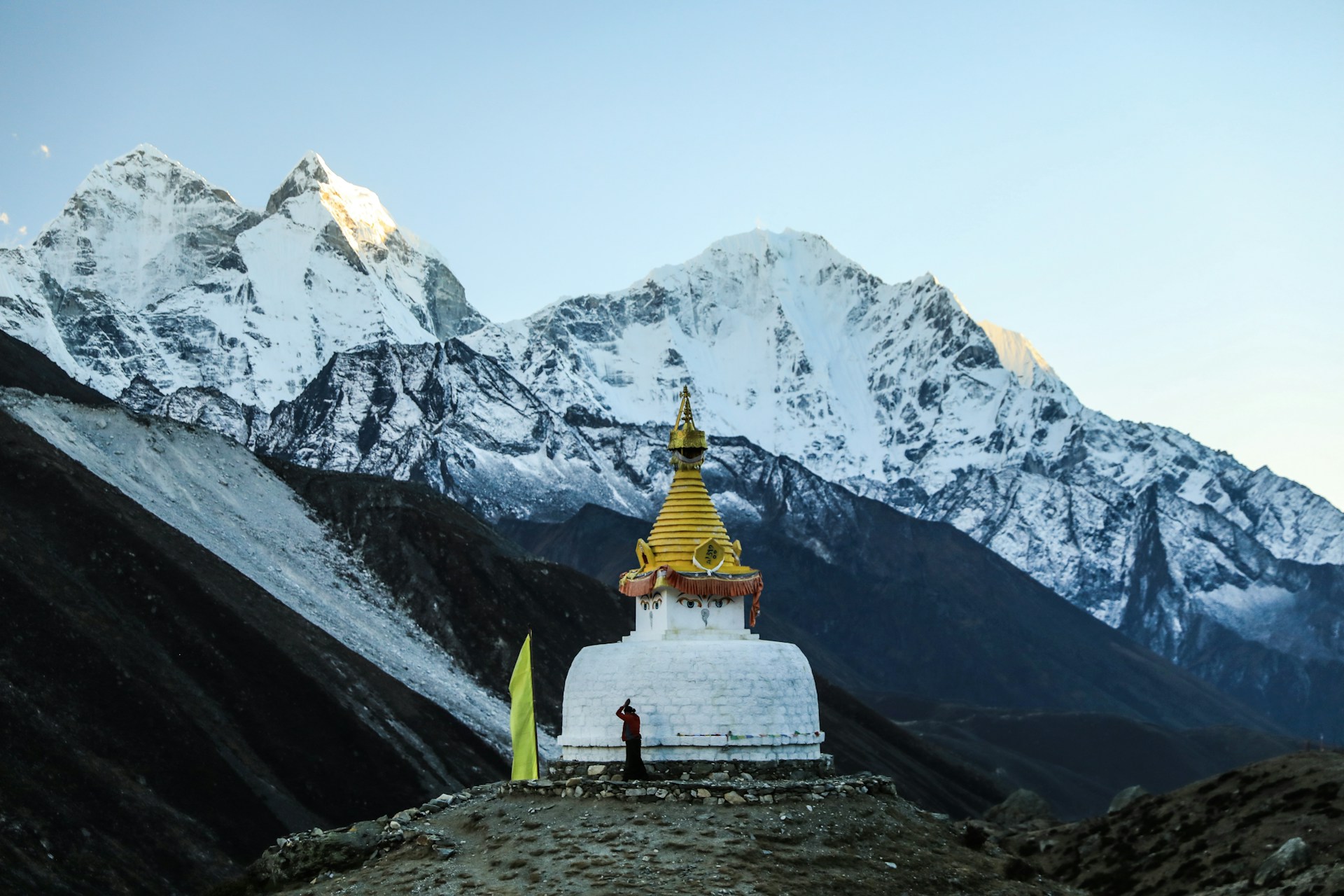
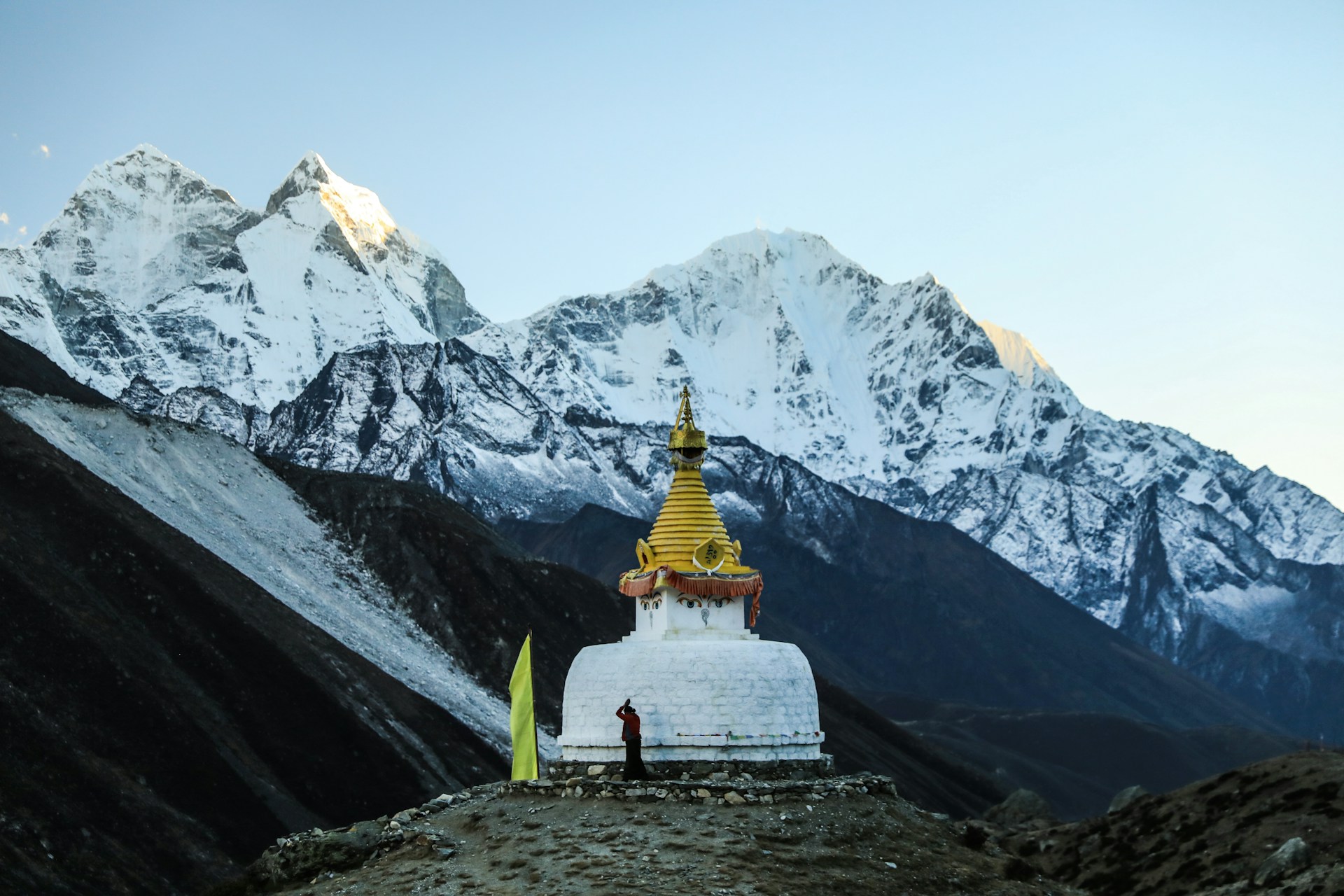
Accommodation Tea house / Lodge Meals Breakfast, Lunch and Dinner Max. altitude 3,440m / 11,286ft. The trail today offers some of the most stunning mountain scenery of the entire journey. You will traverse ridgelines with incredible views of Everest, Lhotse, and Ama Dablam, then descend to the Dudh Koshi River and climb back up toward Tengboche. The monastery at Tengboche is one of the most important spiritual centers in the region. Upon arrival, you may attend an evening prayer ceremony inside the monastery, adding a deeply cultural and peaceful dimension to your trek. An overnight stay is arranged in a mountain lodge surrounded by forested hills and towering peaks.
Accommodation Tea house / Lodge Meals Breakfast, Lunch and Dinner Max. altitude 3,867m / 12,687ft. Today’s trek takes you through rhododendron forests and alpine landscapes as you leave the greener lower valleys behind. After descending to Debuche and crossing a suspension bridge, the trail gradually ascends toward Pangboche village, one of the oldest Sherpa settlements in the region. From here, the environment becomes more rugged and less vegetated as you approach Dingboche. The village sits in a wide valley surrounded by dramatic Himalayan peaks. Upon arrival, you will rest in a teahouse, enjoying a quieter and more open landscape as you gain altitude steadily.
Accommodation Tea house / Lodge Meals Breakfast, Lunch and Dinner Max. altitude 4,360m / 14,304ft. Another crucial acclimatization day is spent in Dingboche to prepare for higher elevations ahead. You will take a short hike to Nagarjun Hill or nearby ridges, which offer spectacular views of Makalu, Lhotse, and Island Peak. The hike helps improve oxygen adaptation while keeping the body active. The rest of the day is free for relaxation, warm meals, and hydration. Many trekkers use this time to mentally prepare for the more demanding days ahead, including the approach to Everest Base Camp. The calm mountain environment makes this a peaceful and restorative stop.
Accommodation Tea house / Lodge Meals Breakfast, Lunch and Dinner Max. altitude 4,360m / 14,304ft. The trail today becomes noticeably more rugged as you ascend toward the glacier region. You will pass Dughla, where a memorial area honors climbers who lost their lives in the Himalayas. The climb from Dughla to the Thukla Pass is steep but rewarding, offering dramatic views of surrounding peaks. As you continue toward Lobuche, the air becomes thinner and temperatures drop. Lobuche is a small settlement with basic lodges, reflecting the remote nature of the region. You will rest early tonight in preparation for the major highlight of the trek tomorrow.
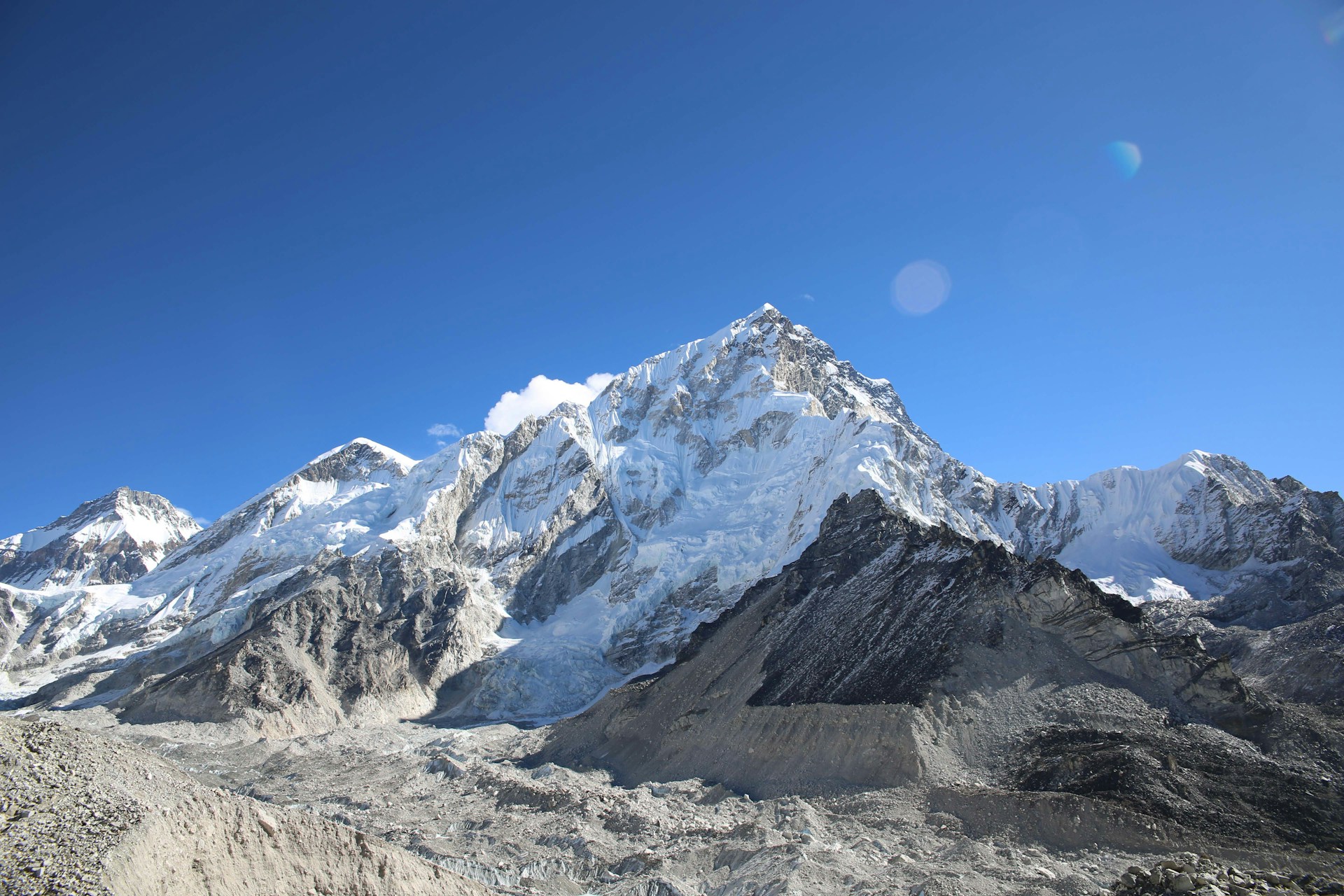
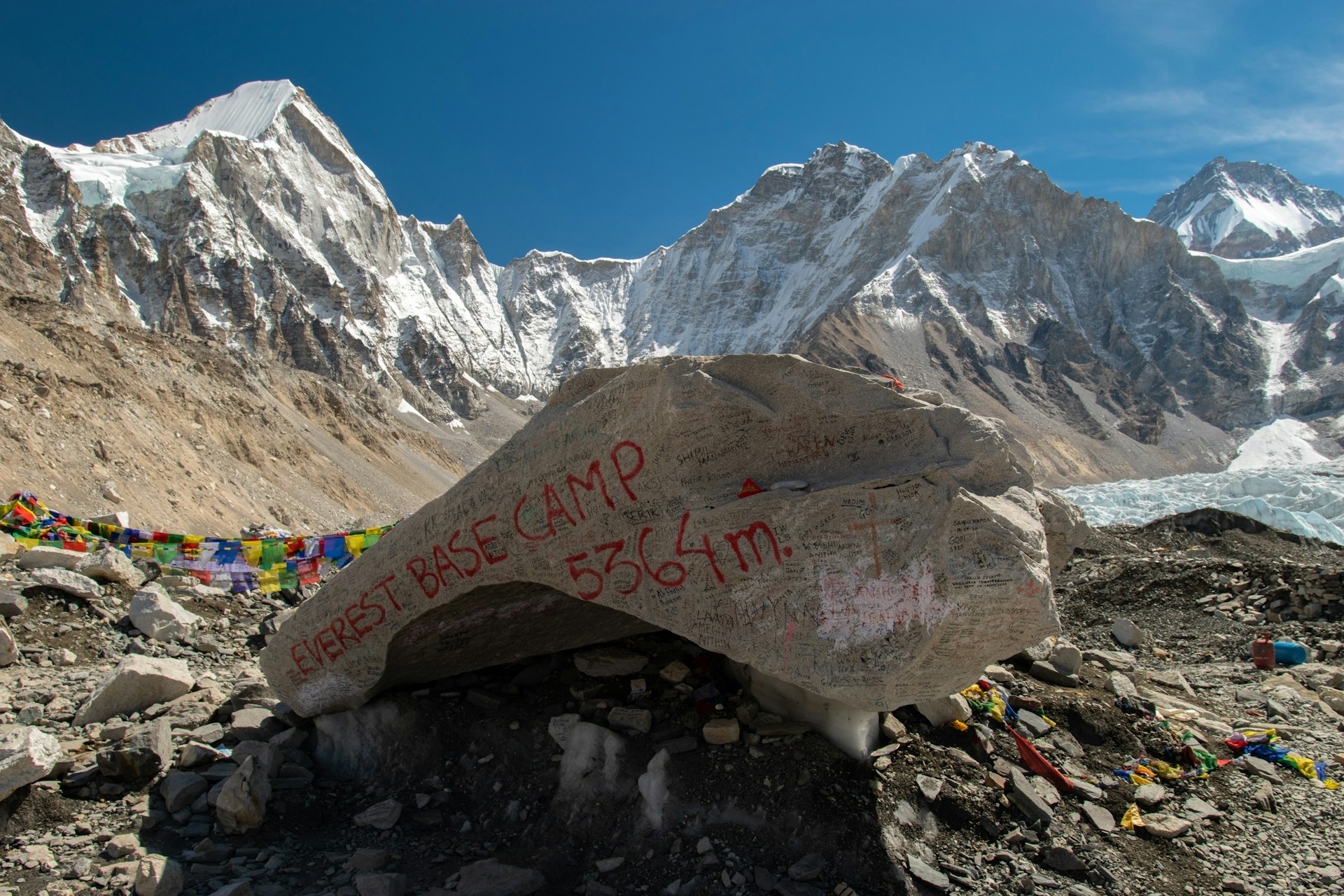
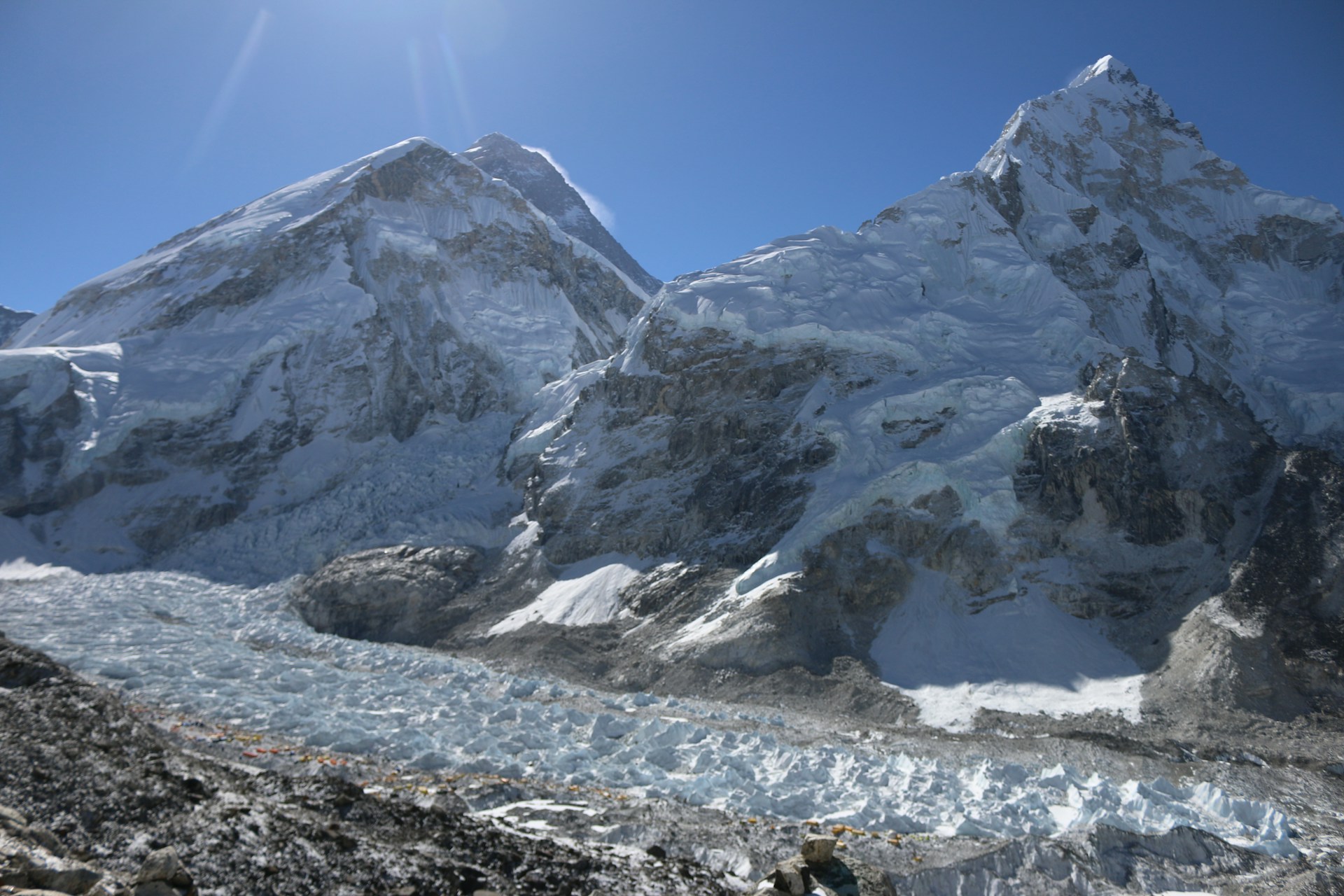
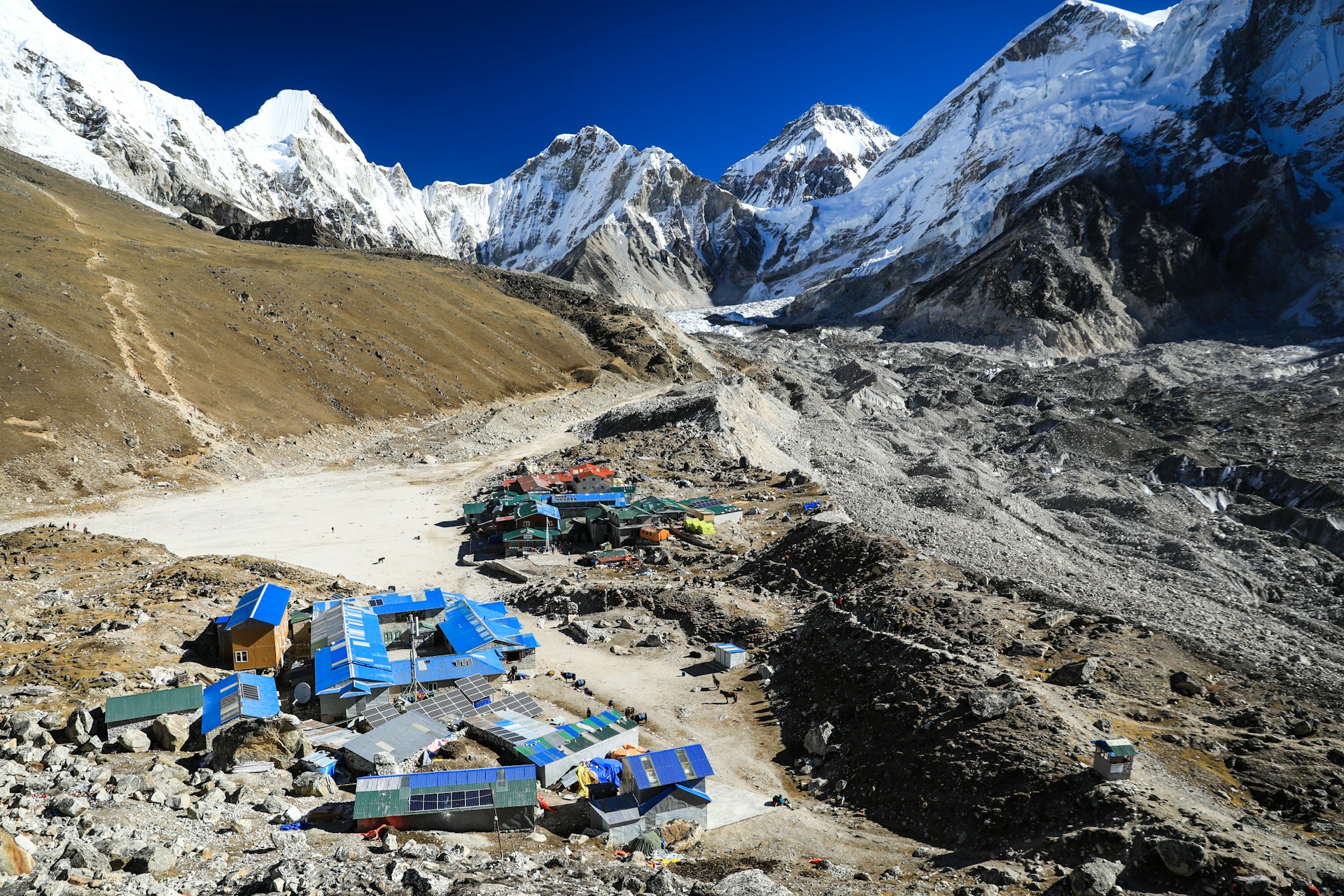
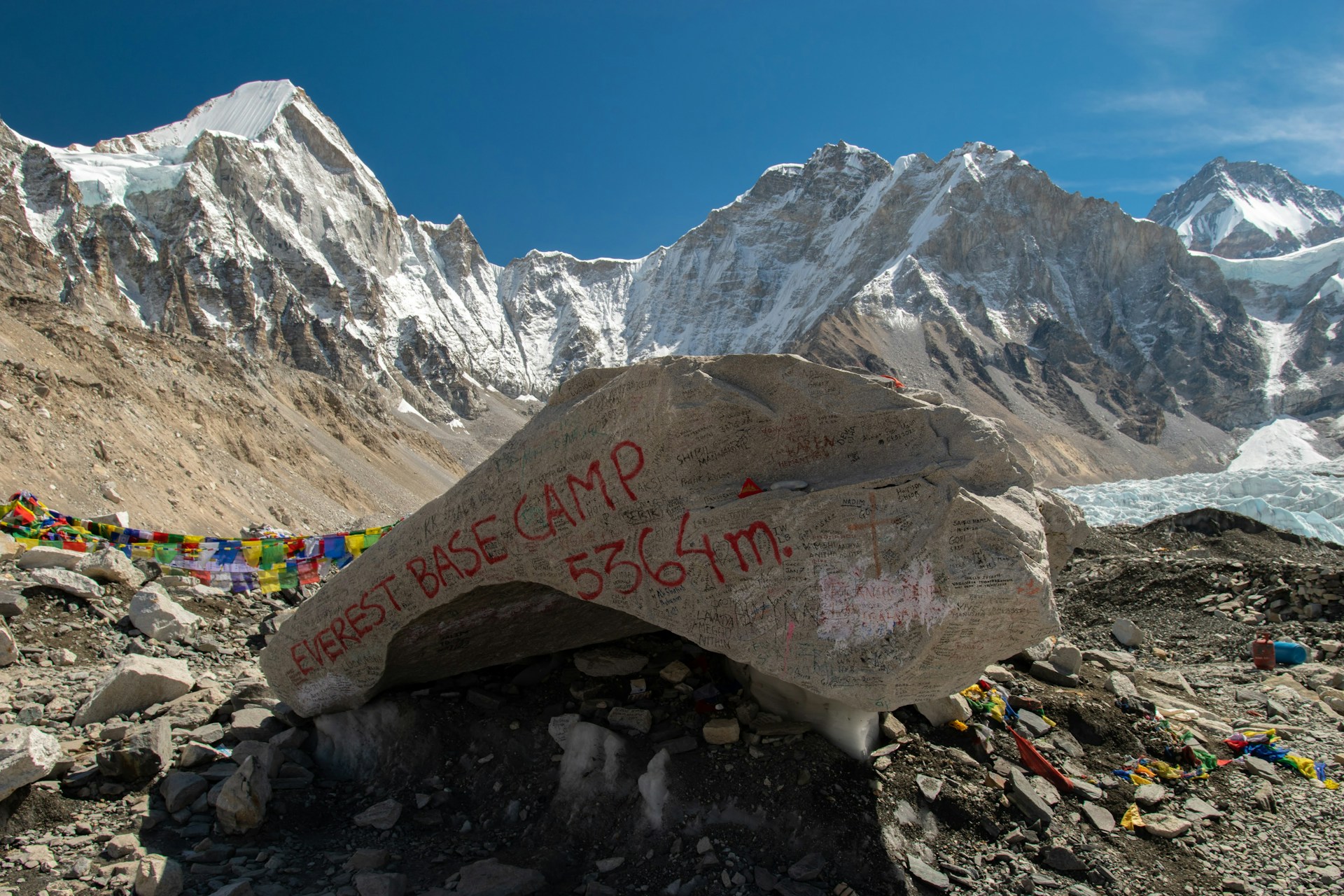
Accommodation Tea house / Lodge Meals Breakfast, Lunch and Dinner Max. altitude 4,940m / 16,207ft. This is one of the most exciting and challenging days of the trek. You begin by walking to Gorak Shep, the last settlement before Everest Base Camp. After a short rest, you continue toward Everest Base Camp itself, crossing rocky moraine terrain along the Khumbu Glacier. Reaching Base Camp is a powerful and emotional moment, surrounded by towering ice formations and expedition tents (during climbing season). After spending time at Base Camp, you return to Gorak Shep for an overnight stay. The day is long but unforgettable, marking a major achievement in your Himalayan journey.
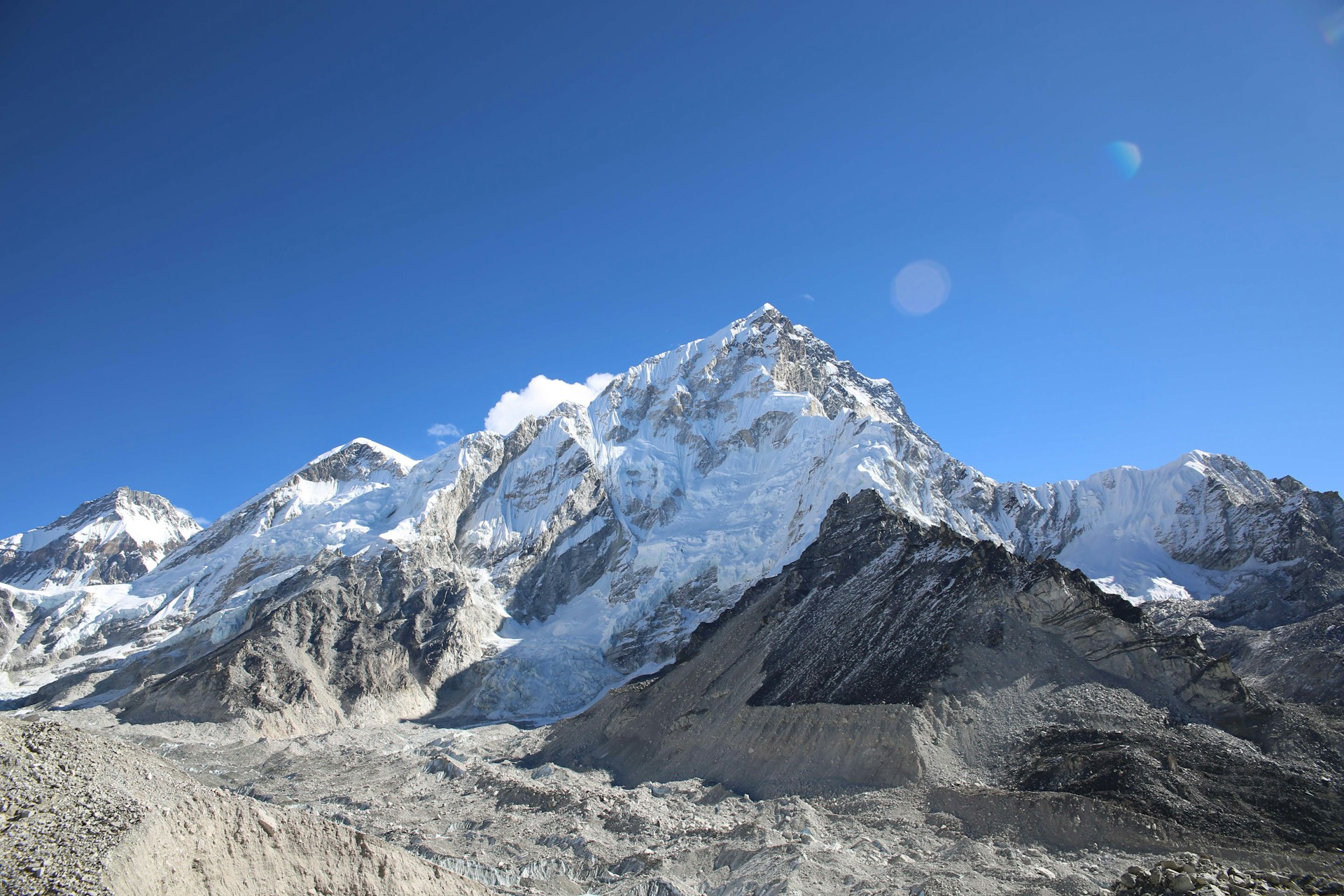
Accommodation Tea house / Lodge Meals Breakfast, Lunch and Dinner Max. altitude 5,164m / 16,942ft. Early morning ascent to Kala Patthar provides the best panoramic view of Mount Everest and surrounding peaks, especially during sunrise. This viewpoint offers the most iconic photographic moment of the entire trek. After descending back to Gorak Shep, you begin your journey down toward Pheriche, where the air becomes richer and breathing feels easier. The descent is gradual, allowing your body to recover from high-altitude exertion. Pheriche is a peaceful valley village with fewer crowds, making it an ideal place for rest and recovery after the challenging high-altitude section.
Accommodation Tea house / Lodge Meals Breakfast, Lunch and Dinner Max. altitude 4,240m / 13,911ft. Today, you retrace your steps back through familiar villages such as Pangboche and Tengboche. The descent makes walking easier, and oxygen levels gradually improve, allowing for a more comfortable pace. You will once again enjoy scenic forest trails and river crossings while descending toward Namche Bazaar. Arriving back in Namche feels rewarding as you return to a lively atmosphere after days in remote high-altitude regions. You may celebrate your progress with your trekking group in the evening while enjoying warm meals and bakery treats.
Accommodation Tea house / Lodge Meals Breakfast, Lunch and Dinner Max. altitude 3,440m / 11,286ft. The final trekking day takes you from Namche Bazaar back to Lukla. The trail descends steeply at times, so careful footing is required, especially on suspension bridges and rocky sections. You will pass through familiar villages like Monjo and Phakding, reflecting on the incredible journey you have completed. Upon reaching Lukla, you will celebrate the successful completion of your trek with your guide and porters. This evening is typically filled with gratitude, storytelling, and rest before your return flight to Kathmandu.
Accommodation Tea house / Lodge Meals Breakfast, Lunch and Dinner Max. altitude 2,860m / 9,383ft. An early morning flight takes you from Lukla back to Kathmandu, weather permitting. Upon arrival, you will be transferred to your hotel for a well-deserved rest and a hot shower. The contrast between the mountain wilderness and city life feels refreshing. In the evening, Himalayan Mantras hosts a farewell dinner to celebrate your achievement of reaching Everest Base Camp. This gathering includes reflection on the journey, certificate distribution, and cultural dining experience. It is a meaningful conclusion to your Himalayan adventure, honoring both your effort and the guidance of the trekking team.
Accommodation Tea house / Lodge Meals Breakfast, Lunch and Farewell Dinner Max. altitude 1,400m / 4,593ft. Today marks the end of your Everest Base Camp adventure. Depending on your flight schedule, you may have some free time for last-minute shopping or sightseeing in Kathmandu. The Himalayan Mantras team will transfer you to Tribhuvan International Airport for your onward journey. As you leave Nepal, you carry unforgettable memories of Himalayan landscapes, Sherpa culture, and personal achievement. The trek leaves a lasting impression, often inspiring travelers to return for more adventures in the future.
Accommodation 3* Hotel Meals Breakfast Max. altitude 1,400m / 4,593ft. The Everest Base Camp Trek with Himalayan Mantras involves mountain flights, basic teahouse stays, and cash-based transactions in remote Himalayan regions. Travelers should prepare for simple meals, limited connectivity, and high-altitude conditions while carrying essential documents, insurance, and proper trekking gear. Understanding local travel norms, safety guidelines, and cultural etiquette ensures a smooth and rewarding journey through the Everest region.

Your Start Date is the day you land in Nepal, and your End Date is when you fly home.
If the set Everest Base Camp Trek group dates don’t suit your schedule, we can offer alternative dates upon request.
Proper layering is important to stay warm and comfortable in changing mountain weather.
Good footwear makes trekking easier and safer.
The right gear keeps you safe, comfortable, and prepared.
Lightweight but important items keep you clean, healthy, and comfortable.
Keep important items safe and easy to reach.
Trekking to Everest Base Camp was absolutely unforgettable. The guides from Himalayan Mantras were professional, supportive, and made the journey safe and enjoyable even in tough conditions.
The trek was physically demanding, but every step was worth it. Stunning views of the Himalayas and excellent organization by Himalayan Mantras made it a perfect adventure.
From Lukla to Everest Base Camp, everything was well-managed. Himalayan Mantras provided great guidance, good pacing, and very friendly staff throughout the trek.
The Everest Base Camp Trek is considered a moderate to challenging trek due to high altitude, long walking days, and varying terrain. While no technical climbing skills are required, trekkers must be physically fit and mentally prepared for daily hikes of 5–7 hours at increasing elevations. The most demanding factor is altitude rather than distance. Himalayan Mantras ensures a gradual ascent with proper acclimatization days in places like Namche Bazaar and Dingboche to reduce risks of altitude sickness and improve overall trekking success and safety.
Prior trekking experience is not mandatory for the Everest Base Camp Trek, but it is highly beneficial. Beginners with good fitness levels and strong determination can complete the trek successfully with proper preparation. Regular cardio training, hiking practice, and endurance exercises before arrival are strongly advised. Himalayan Mantras provides experienced guides who support trekkers at every stage, ensuring safety, pacing, and acclimatization are carefully managed. Even first-time trekkers can achieve Base Camp with the right mindset and preparation.
Altitude sickness is a common concern during the Everest Base Camp Trek as elevations exceed 5,000 meters. Symptoms may include headache, nausea, dizziness, and fatigue. Proper acclimatization is the key to prevention, which is why the itinerary includes rest days in Namche Bazaar and Dingboche. Himalayan Mantras guides are trained to monitor symptoms and take necessary precautions, including descent if required. Drinking plenty of water, walking slowly, and avoiding alcohol significantly reduce risks and ensure a safer trekking experience.
The standard Everest Base Camp Trek typically takes 12 to 15 days depending on the itinerary and acclimatization schedule. Himalayan Mantras offers a well-planned 15-day program that includes arrival, sightseeing, trekking days, rest days, and return. This duration allows trekkers to adjust gradually to altitude while fully experiencing the Khumbu region. Faster itineraries exist but may increase risk of altitude sickness. A well-paced schedule ensures a safer, more enjoyable, and more rewarding Himalayan adventure.
The Everest Base Camp Trek begins with a scenic flight from Kathmandu to Lukla, one of the most famous and adventurous airports in the world. Weather conditions can sometimes affect flight schedules, leading to delays. Himalayan Mantras assists trekkers in managing flight arrangements and contingency plans if needed. From Lukla, the trekking route officially begins toward Phakding and Namche Bazaar. The flight itself offers breathtaking views of the Himalayas and is considered an exciting part of the overall journey.
Himalayan Mantras is a trusted trekking operator specializing in Himalayan adventures with experienced local guides and well-planned itineraries. The company focuses on safety, authentic cultural experiences, and responsible tourism practices. Trekkers benefit from personalized support, carefully selected accommodations, and expert guidance throughout the journey. From airport pickup in Kathmandu to farewell dinner after the trek, Himalayan Mantras ensures a seamless and memorable experience. Their deep local knowledge and commitment to client satisfaction make them a reliable choice for the Everest Base Camp Trek.
The best seasons for the Everest Base Camp Trek are spring (March to May) and autumn (September to November). During these months, the weather is generally stable, skies are clear, and mountain views are at their best. Spring offers blooming rhododendrons and slightly warmer temperatures, while autumn provides crisp air and excellent visibility after the monsoon. Himalayan Mantras recommends avoiding the monsoon and deep winter months due to heavy rain, snow, and flight disruptions that can affect Lukla operations.
Accommodation along the Everest Base Camp Trek route consists mainly of local teahouses and mountain lodges. Rooms are basic but comfortable, usually with twin beds, blankets, and shared bathrooms at higher elevations. Facilities become simpler as altitude increases due to remoteness. In lower regions like Lukla and Namche Bazaar, lodges may offer better amenities such as Wi-Fi and bakeries. Himalayan Mantras carefully selects clean and safe lodges to ensure trekkers experience comfort, hygiene, and warm hospitality throughout the journey.
Food on the Everest Base Camp Trek is a mix of local Nepalese cuisine and simple international dishes. The most common meal is dal bhat (rice, lentils, and vegetables), which provides high energy for trekking days. Other options include noodles, pasta, soups, pancakes, and fried rice. As altitude increases, menu variety becomes limited due to transportation challenges. Himalayan Mantras ensures trekkers are served fresh, hygienic meals that support energy levels and help maintain strength throughout the demanding trekking route.
Yes, the Everest Base Camp Trek is generally safe when done with proper guidance and preparation. Safety depends on acclimatization, weather conditions, and experienced leadership. Himalayan Mantras prioritizes safety by employing trained local guides, carrying emergency communication devices, and closely monitoring trekkers’ health conditions. Weather in the Himalayas can change quickly, so flexibility in the itinerary is important. With proper precautions and a responsible trekking operator, the journey is considered safe and highly rewarding for adventure seekers.
Trekkers need two main permits for the Everest Base Camp Trek: the Sagarmatha National Park Permit and the Khumbu Pasang Lhamu Rural Municipality Permit. These are mandatory for entering and trekking in the Everest region. Himalayan Mantras handles all permit arrangements on behalf of trekkers, ensuring a smooth and hassle-free experience upon arrival in Nepal. The permit fees contribute to conservation efforts, local development, and maintenance of trekking infrastructure in the Everest region, supporting sustainable tourism practices.
Packing for the Everest Base Camp Trek requires careful planning due to changing temperatures and terrain. Essential items include layered clothing, a down jacket, trekking boots, gloves, thermal wear, sunglasses, and a sleeping bag. A good backpack, water bottles, sunscreen, and personal medication are also necessary. Himalayan Mantras provides a detailed packing list before departure to ensure trekkers are fully prepared. Proper gear is crucial for comfort and safety, especially as temperatures drop significantly at higher altitudes.