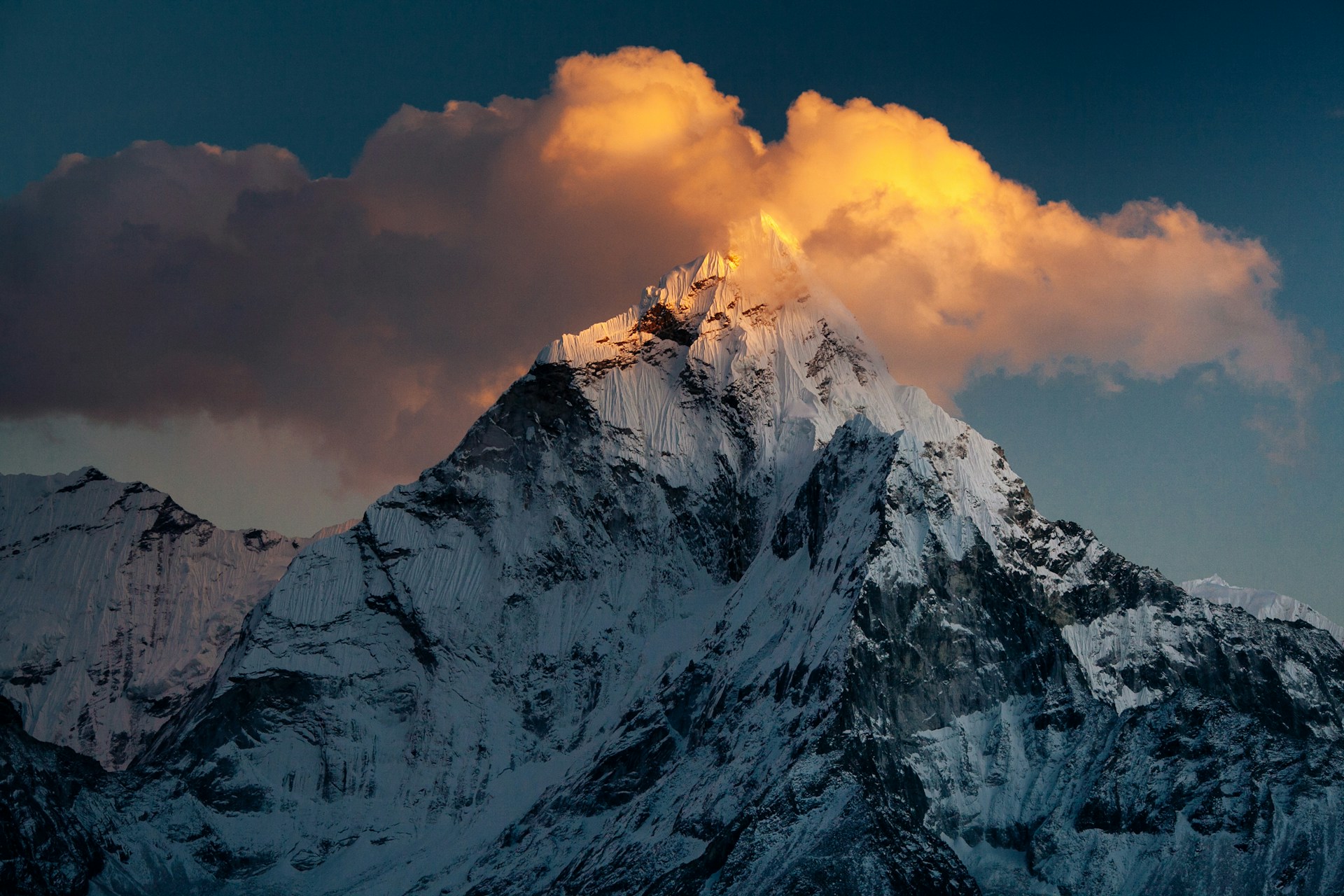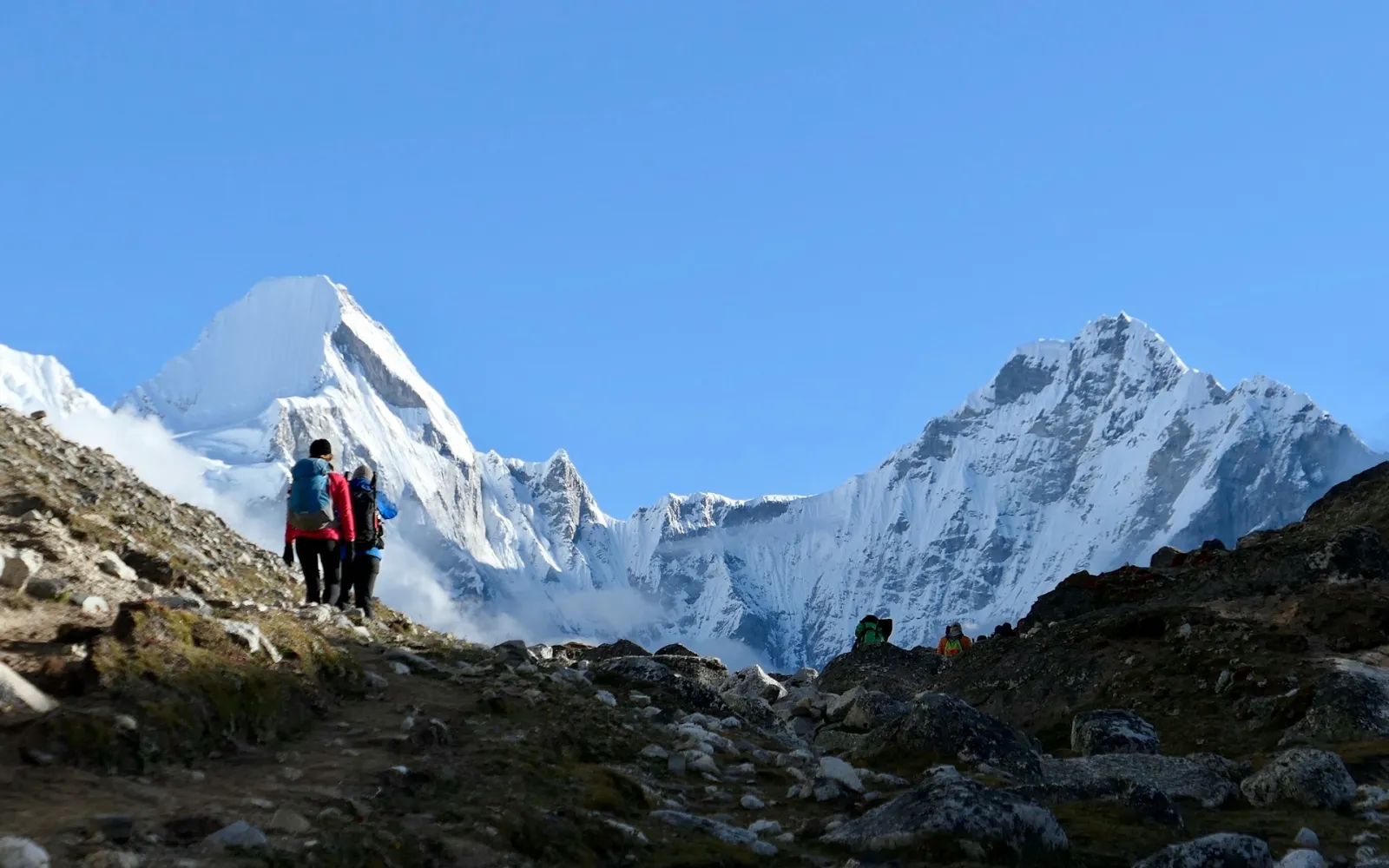
The Everest Base Camp Trek is one of the most iconic trekking adventures in the world, offering breathtaking Himalayan scenery, Sherpa culture, and the ultimate experience of standing near the base of Mount Everest. This 15-day journey takes you from the bustling streets of Kathmandu to the heart of the Khumbu region, following a carefully designed acclimatization route for safety and success.
With Himalayan Mantras, beginners are guided step-by-step through altitude gain, terrain changes, and cultural immersion. The route passes through famous destinations like Kathmandu, Lukla, Phakding, Namche Bazaar, Tengboche, Dingboche, Lobuche, Gorak Shep, and finally the legendary Everest Base Camp.
Before starting the trek, preparation is essential because altitude, weather, and terrain can be challenging for beginners. The journey begins in Kathmandu with arrival, permits, and final gear checks before flying to Lukla—one of the most thrilling airport landings in the world.
Trekkers must understand altitude sickness risks, basic fitness requirements, and travel logistics. Proper acclimatization days in places like Namche Bazaar and Dingboche are built into the itinerary by Himalayan Mantras to ensure a safe ascent.
Before You Go Checklist:
The trek begins in Kathmandu with sightseeing and preparation before flying to Lukla and trekking to Phakding. From there, the route gradually climbs to Namche Bazaar, where trekkers acclimatize and enjoy Himalayan views.
The journey continues through Tengboche and Dingboche, both offering stunning monastery experiences and mountain panoramas. After further acclimatization, the trail reaches Lobuche and then Gorak Shep, the final stop before Everest Base Camp.
Finally, trekkers hike to Everest Base Camp and ascend Kala Patthar for the best panoramic view of Mount Everest.
Step-by-Step Highlights:
Preparation for the Everest Base Camp Trek is not just physical—it is mental and logistical as well. Beginners should focus on endurance training, altitude awareness, and packing efficiency before arriving in Nepal. The journey with Himalayan Mantras ensures structured pacing so trekkers can adjust gradually.
Starting from Kathmandu, trekkers should complete final gear checks and orientation. Once in Lukla, the real trekking adventure begins, requiring steady pacing and hydration discipline throughout the route to Everest Base Camp.
Preparation Roadmap:
Packing correctly can make or break your Everest Base Camp experience. Weather can shift from warm sunshine to freezing winds within hours, especially at higher elevations like Dingboche, Lobuche, and Gorak Shep. Layering is the key to comfort and survival in the Himalayas.
With guidance from Himalayan Mantras, beginners are advised to pack light but smart, ensuring essential gear is included while avoiding unnecessary weight. Proper boots, thermal wear, and altitude medication are must-haves for a safe trek to Everest Base Camp.
Packing Essentials:
The cost of the Everest Base Camp Trek can vary widely depending on comfort level, group size, and services included. On average, beginners should expect a budget range between USD 1,200 to USD 2,500 per person when booking through a professional operator like Himalayan Mantras. This typically includes permits, domestic flights, accommodation, meals during the trek, and guide/porter services.
Additional costs may arise from international flights, travel insurance, gear rentals, tips, snacks, and Wi-Fi or charging services in higher altitudes like Namche Bazaar and Dingboche. Budget planning is essential because remote Himalayan logistics make prices higher than normal travel destinations.
Cost Breakdown:
The Everest Base Camp Trek is considered a moderate to challenging trek, but it is achievable for beginners with proper preparation. It does not require technical climbing skills, but the high altitude—reaching up to Everest Base Camp at 5,364 meters—makes it physically demanding.
The biggest challenge is not distance but altitude and endurance. Daily trekking involves 5–7 hours of walking on rocky trails, steep ascents, and changing weather conditions, especially around areas like Namche Bazaar and Dingboche. With proper acclimatization and pacing by Himalayan Mantras, beginners can complete the trek.
Difficulty Factors:
The best time to trek to Everest Base Camp is during spring (March–May) and autumn (September–November). These seasons offer clear skies, stable weather, and stunning mountain visibility, making the journey from Kathmandu to Everest Base Camp safer and more enjoyable.
Spring brings blooming rhododendrons and slightly warmer temperatures, while autumn offers crystal-clear views after the monsoon season. Winter and monsoon trekking is possible but more difficult due to snow, cold, and flight disruptions to Lukla.
Best Season Guide:
A well-structured itinerary is crucial for beginners to safely reach Everest Base Camp. The 15-day plan designed by Himalayan Mantras includes acclimatization days and gradual altitude gain to reduce risk and improve comfort.
The trek starts in Kathmandu and moves through key Himalayan villages like Phakding, Namche Bazaar, Tengboche, Dingboche, and Lobuche before reaching Everest Base Camp and returning via the same route.
Day-by-Day Summary:
Physical preparation is one of the most important steps before attempting the Everest Base Camp Trek. Beginners should start training at least 6–10 weeks before departure to build stamina, leg strength, and cardiovascular endurance for long trekking days leading up to Everest Base Camp.
Training should focus on walking long distances with a backpack, climbing stairs, and improving breathing efficiency at higher exertion levels. With support from Himalayan Mantras, trekkers are guided on realistic fitness expectations so they can enjoy the journey from Kathmandu to Namche Bazaar comfortably.
Training Plan for Beginners:
Altitude sickness (Acute Mountain Sickness) is one of the most important challenges on the Everest Base Camp Trek. As trekkers ascend beyond Namche Bazaar and Dingboche, oxygen levels decrease, making it harder for the body to adjust. Since the trek reaches up to Everest Base Camp at 5,364 meters, understanding altitude sickness is essential for beginners.
With proper acclimatization days and a slow trekking pace organized by Himalayan Mantras, most trekkers can safely complete the journey. The key is recognizing early symptoms and responding quickly instead of pushing forward.
Key Symptoms:
Prevention Tips:
To enter the Everest region, trekkers must obtain specific permits before starting the journey from Kathmandu. These permits help manage conservation efforts and ensure trekker safety in the Khumbu region. Himalayan Mantras handles all necessary documentation to make the process easy for beginners.
The two main permits are required from the start of the trek near Lukla and are checked at multiple entry points along the route to Everest Base Camp.
Required Permits:
Important Notes:
Choosing between a solo trek and a guided trek is a major decision for beginners. While experienced trekkers may attempt solo journeys, the Everest region is remote, high-altitude, and logistically complex. Most beginners prefer a guided trek with Himalayan Mantras for safety, comfort, and local expertise.
A guided trek provides structured itineraries, porter support, and emergency assistance, especially useful in high-altitude zones like Dingboche and Lobuche. Solo trekking, while cheaper, requires strong navigation skills and self-reliance in emergencies.
Comparison:
Solo Trek Challenges:
Accommodation along the Everest Base Camp Trek consists mainly of tea houses, simple mountain lodges run by local families. Facilities become more basic as altitude increases from Phakding to Gorak Shep, but they provide warm shelter, meals, and a place to rest after long trekking days.
Food is surprisingly diverse, but menu options shrink at higher elevations due to transportation limitations. Himalayan Mantras ensures trekkers are guided on healthy meal choices to maintain energy and hydration throughout the journey to Everest Base Camp.
Accommodation Features:
Common Food Options:
Safety is the top priority for every beginner attempting the Everest Base Camp Trek. The journey involves high-altitude terrain, unpredictable weather, and long trekking days, especially between Namche Bazaar and Dingboche. Proper preparation and awareness significantly reduce risks.
With Himalayan Mantras, trekkers are continuously monitored for health, altitude adaptation, and weather conditions, ensuring a safer experience all the way to Everest Base Camp.
Essential Safety Tips:
Many beginners underestimate the Everest Base Camp Trek by assuming it is only about fitness. In reality, the biggest challenges come from altitude, pacing, and preparation. As trekkers move from Namche Bazaar toward Dingboche and higher regions like Lobuche, small mistakes can quickly become serious issues.
Another common mistake is rushing the trek to reach Everest Base Camp faster. Beginners often ignore rest days or hydration rules, which increases the risk of altitude sickness. Himalayan Mantras emphasizes slow pacing and structured acclimatization to ensure a safe and enjoyable journey.
Common Mistakes:
Proper acclimatization is the key to completing the Everest Base Camp Trek. As altitude increases beyond Namche Bazaar and Dingboche, the oxygen level decreases, and the body needs time to adjust. Without proper acclimatization, trekkers may experience altitude sickness.
Himalayan Mantras designs itineraries with built-in acclimatization days, ensuring gradual ascent toward Everest Base Camp. These rest days are not “free days”—they include short hikes to higher elevations for better adaptation.
Acclimatization Tips:
Connectivity on the Everest Base Camp Trek is limited but available in most villages along the route from Phakding to Gorak Shep. Mobile networks and Wi-Fi exist, but speed decreases as altitude increases. Higher villages charge extra for internet and charging services.
Trekkers should not expect stable connectivity like in cities such as Kathmandu. Himalayan Mantras advises beginners to prepare for digital detox moments while still staying reachable in case of emergencies.
Connectivity Overview:
Tips:
The Everest Base Camp Trek is not just a physical journey—it is an emotional and mental experience. Many beginners are surprised by the simplicity of life in the mountains, especially in places like Dingboche and Lobuche, where comfort is minimal but the experience is deeply rewarding.
What most people don’t expect is how mentally challenging the slow pace and altitude can be. Reaching Everest Base Camp is not about luxury—it’s about endurance, patience, and mindset. Himalayan Mantras ensures trekkers are mentally prepared for this reality before the journey begins.
Hidden Realities:
A proper checklist ensures a smooth and stress-free trek. Before leaving Kathmandu for the trail toward Lukla and eventually Everest Base Camp, beginners should double-check all essential gear, permits, and health preparation.
Himalayan Mantras provides pre-trek briefings to ensure trekkers are fully prepared for altitude, weather changes, and trekking conditions across the Everest region.
Final Checklist:
Yes—the Everest Base Camp Trek is absolutely worth it for beginners who are ready for challenge, simplicity, and adventure. Standing near Everest Base Camp and viewing the world’s highest peak is a life-changing experience that cannot be compared to any regular travel destination.
The journey from Kathmandu through villages like Namche Bazaar and Tengboche offers cultural depth, natural beauty, and personal transformation. With Himalayan Mantras, beginners are guided safely while focusing on the joy of the experience.
Why It’s Worth It:
The Everest Base Camp Trek is more than just a hiking adventure—it is a complete journey of endurance, learning, and self-discovery. From the busy streets of Kathmandu to the remote Himalayan trails leading through Namche Bazaar, Dingboche, and ultimately to Everest Base Camp, every step brings a new challenge and a new reward.
For beginners, success on this trek depends on preparation, patience, and the right guidance. Understanding altitude, fitness, permits, weather, and trekking etiquette makes the journey not only safer but far more enjoyable. With proper support from Himalayan Mantras, even first-time trekkers can confidently complete this world-famous trail.
At its core, the Everest Base Camp Trek is not just about reaching a destination—it is about experiencing the Himalayas in their purest form. The mountains teach resilience, simplicity, and appreciation for nature and life itself. For many travelers, it becomes a life-changing memory that stays long after the journey ends.
Final Takeaways:
Himalayan Mantras ensures that your Everest Base Camp adventure is not only achievable but also safe, enriching, and unforgettable.